The production chain of non-woven fabrics for hygiene products covers multiple processes from raw materials to finished products, and the risk of metal foreign object contamination runs throughout.
I. Sources and Processes of Risk Generation
During the storage and transportation of polymer particles, it may be caused by equipment wear and tear (such as metal debris inside the screw extruder), manual material feeding errors (such as dropped tool parts), etc. Small metal particles with a diameter ≤1mm Accidentally mixed into raw materials. When these foreign objects enter the melt extrusion stage, because the metal melting point is much higher than that of the polymer (e.g., the melting point of polypropylene is about 160℃, and the melting point of iron is 1538℃), they will remain in the melt in solid form. When the melt is extruded through spinnerets into fibers, the metal particles may be stretched into thin sheets or sharp edges, embedded between the fiber layers or attached to the surface of the non-woven fabric, eventually forming Hidden impurities that are difficult to discern with the naked eye 。
II. Direct Impact on Processing Technology
Equipment wear and tear risk When metal foreign objects enter precision equipment such as calender rollers and needle punching machines with the fiber web, they may scratch the roller surface or needles, resulting in uneven heat bonding (such as leakage holes) or abnormal needle punching density, resulting in A 20%-30% increase in process scrap rate For example, scratches on the surface of the hot rolling roller will reduce the bonding strength of the non-woven fabric, and breakage problems are prone to occur in the subsequent slitting process.
Process parameter interference If metal particles enter the high-pressure water system of the hydroentanglement process, they may block the nozzle (aperture is usually 0.1-0.3mm), causing water pressure fluctuations, affecting the fiber entanglement effect, causing the finished product weight deviation to exceed ±5%, and the air permeability index not meeting the standard.
III. Downstream Supply Chain Risks
When non-woven fabrics containing metal foreign objects are supplied as raw materials to hygiene product manufacturers (such as diaper and sanitary napkin manufacturers):
Quality inspection reveals hidden dangers Large enterprises usually use metal detectors (sensitivity can reach Fe≥0.8mm, SUS≥1.2mm) for batch sampling inspection. If foreign objects are not detected, they may tear the breathable membrane or absorbent layer during the compounding and cutting processes of the downstream production line, resulting in An average downtime of 4-6 hours for a single production line affecting the daily production capacity of more than 200,000 pieces.
End-product safety accidents In extreme cases, metal fragments may penetrate the non-woven fabric and enter the finished product contact layer. For example, metal foreign objects in baby diapers may scratch the baby's skin, causing consumer complaints and triggering Product recall procedures According to industry data, such incidents can cause direct brand losses of 3-5 times the value of the goods, and are accompanied by the spread of negative social media sentiment, resulting in A 15%-20% decrease in brand trust 。
Contract breach costs Supply chain contracts usually clearly stipulate that "foreign object contamination" is a serious breach of contract. Once detected, the supplier may have to bear 10-20 times the order amount in liquidated damages and compensate the customer for indirect losses caused by production downtime (such as processing fees, channel delay losses, etc.). A public case from a leading company shows that in 2022, suppliers accumulated more than 8 million yuan in compensation due to metal foreign object problems.
The logic of this risk transmission shows that the problem of metal foreign objects in non-woven fabric production is not only a technical defect, but may also be amplified through the supply chain into a corporate reputation crisis and legal risk, so the construction of a refined quality control system is strategically necessary.
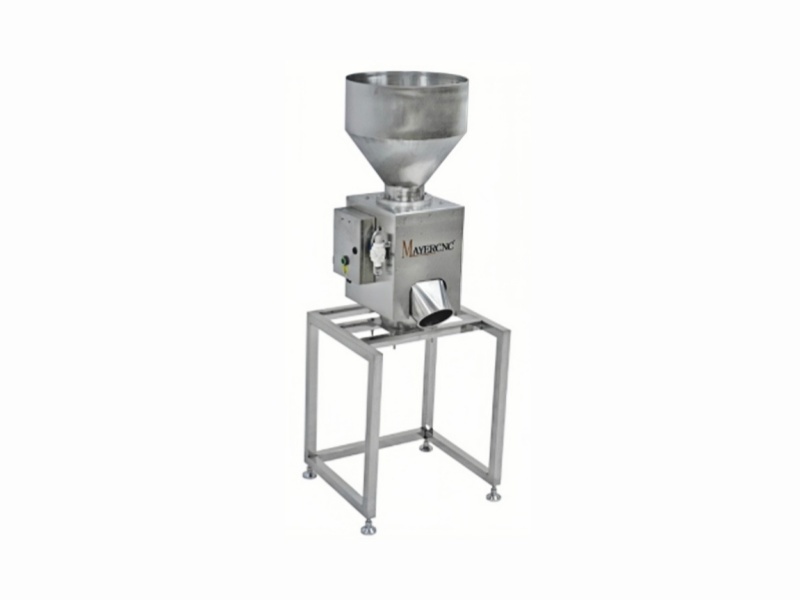
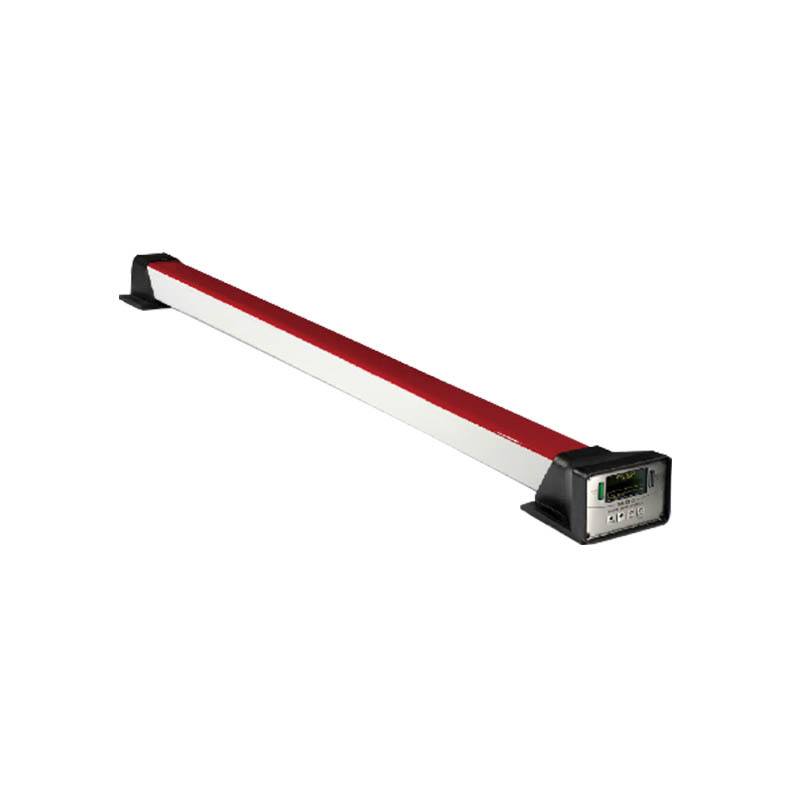
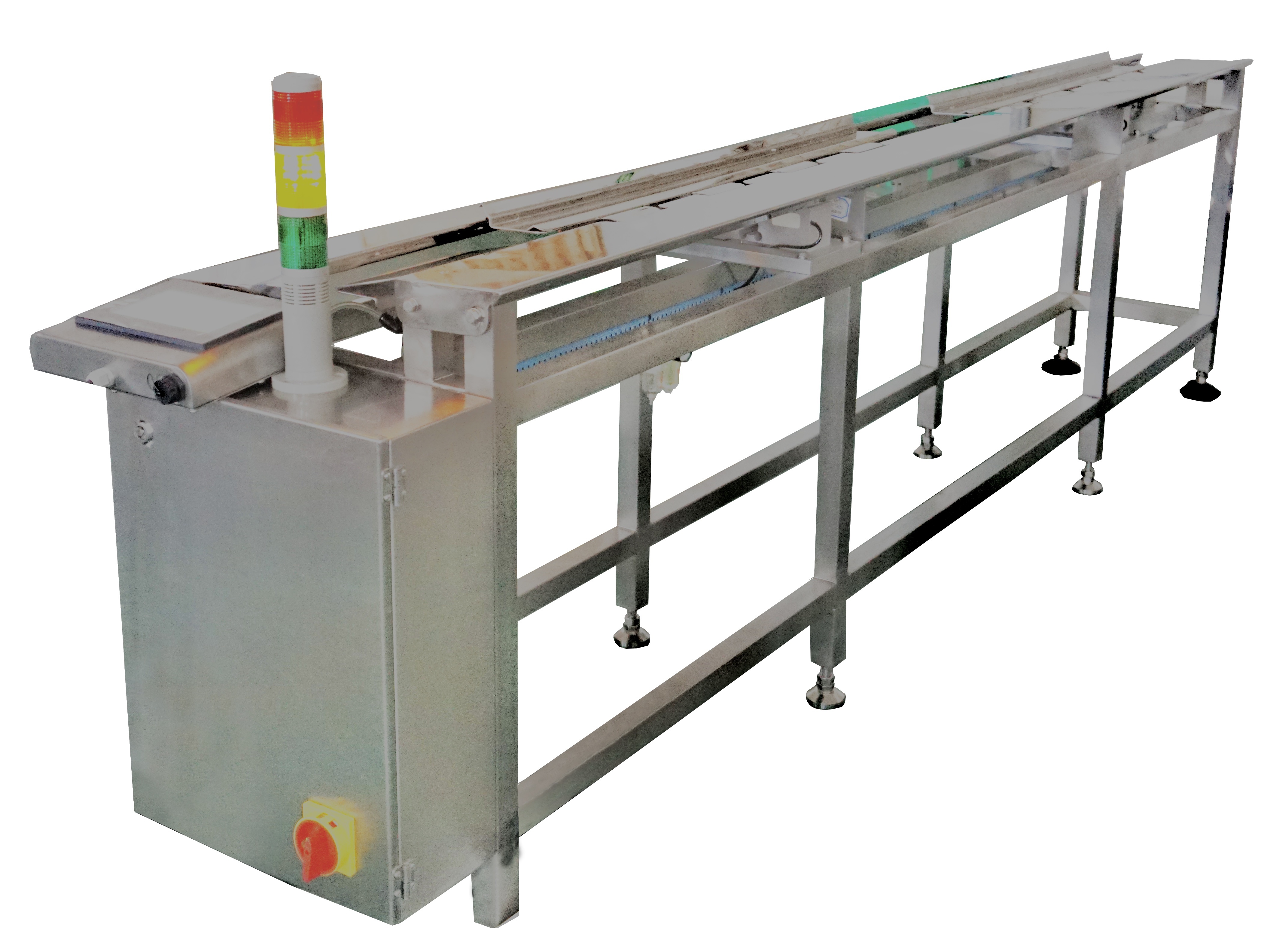
Mayer Technology provides detection services from polymer particles to rolls, with a mature detection system for everything from metals to whether the material meets weight and specification standards after molding.