

Leisure food industry
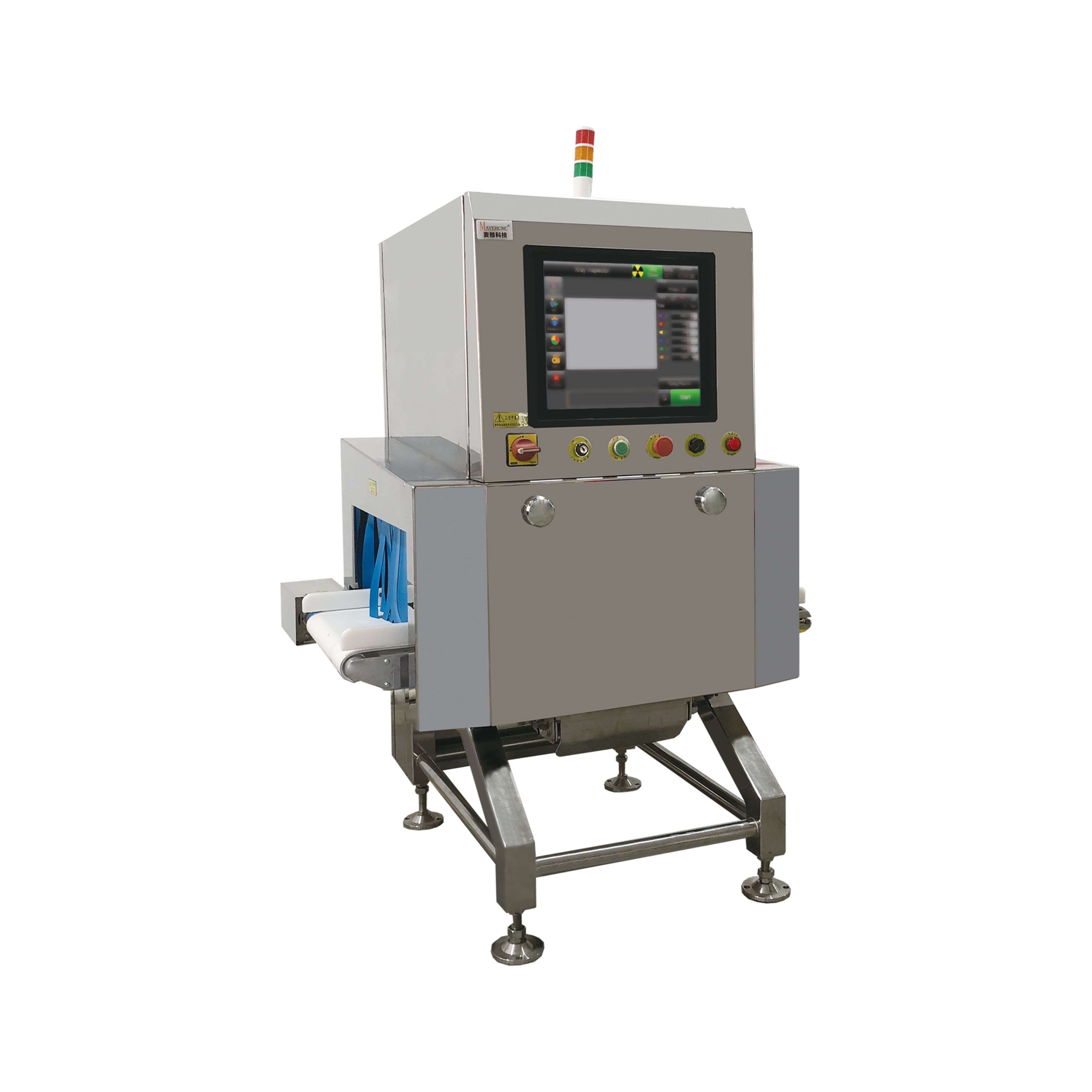
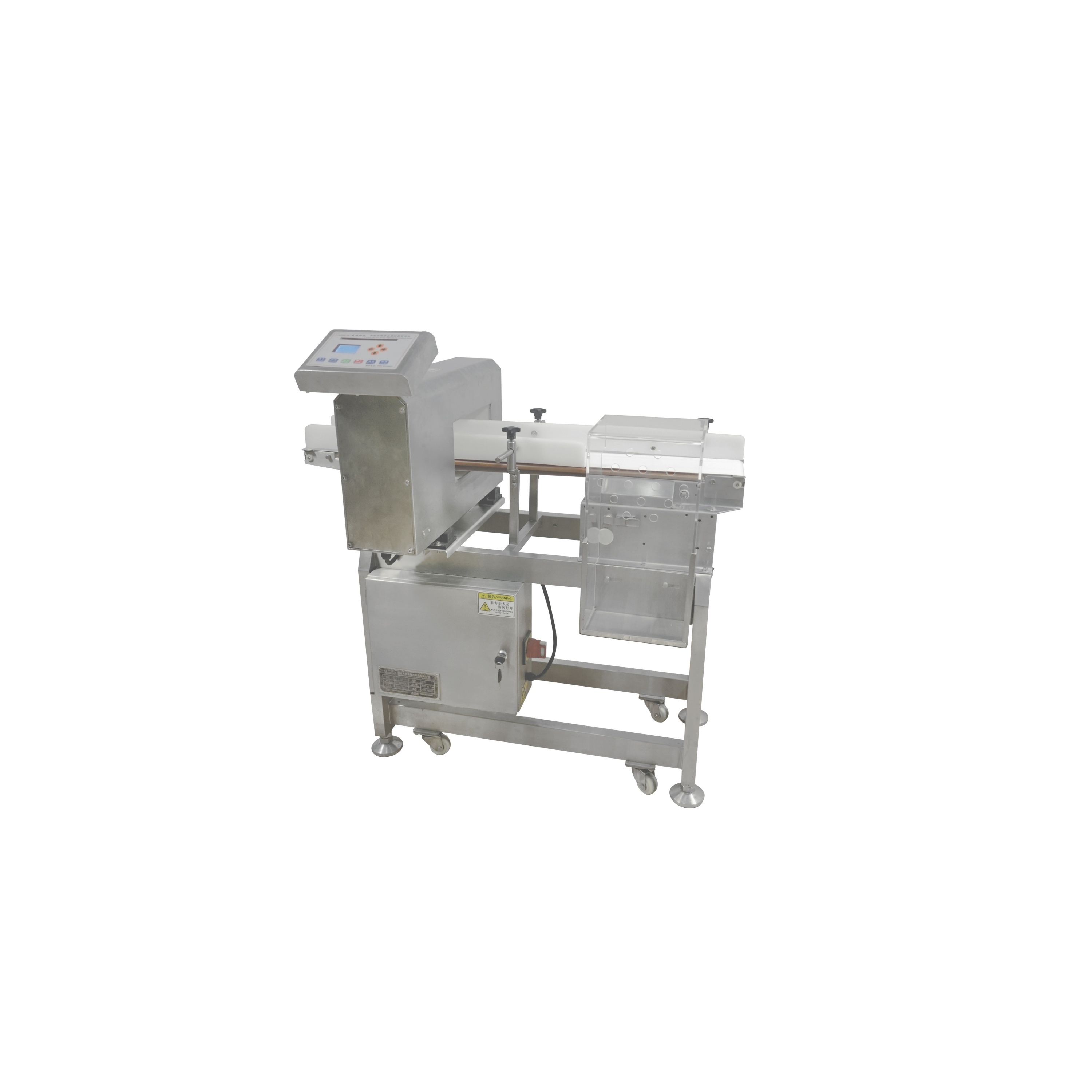
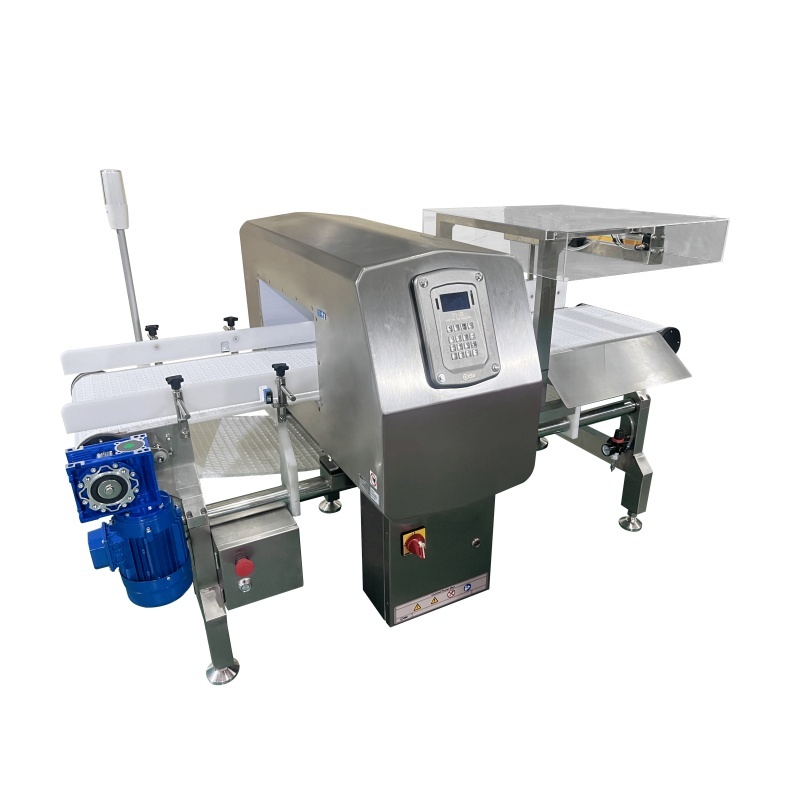
Foreign object detection is paramount. Leisure foods come in a wide variety of forms, such as potato chips, nuts, and meat products, and foreign objects are easily mixed in during production. Metal detectors utilize electromagnetic induction principles to accurately capture tiny metal fragments mixed into potato chips; once detected, an immediate alarm is triggered to prevent products containing metal impurities from entering the market. X-ray detection equipment, on the other hand, uses the powerful penetration ability of X-rays to locate non-metallic foreign objects such as glass shards and small stones in products like nuts and meat products. For low-density contaminants such as plastic flakes and mud clumps that may appear in soft candies and biscuits, high-sensitivity optical imaging combined with intelligent image recognition technology analyzes contour and shape characteristics to avoid detection omissions.
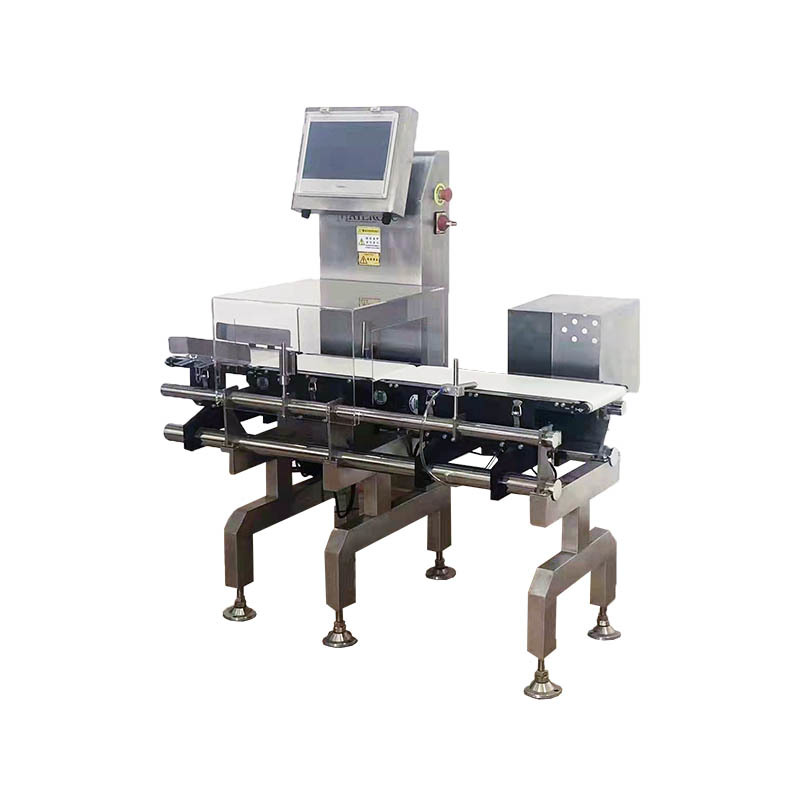
In the online weighing process, high-precision weighing sensors monitor the weight of leisure food packaging in real time. For quantitative packaging of potato chips and nuts, if overweight, underweight, or empty bags occur, the weighing equipment quickly sorts them to ensure accurate product weight.
Visual inspection is equally critical. Through high-definition cameras and character recognition algorithms, it can accurately detect the date codes on food packaging, preventing omissions or errors. It can also check for packaging damage, oil stains, wrinkles at the seals, and skewed edges, ensuring that leisure foods are presented to consumers in perfect packaging, maintaining brand image and consumer rights.
Related Equipment
Contact Us
Address: Room 402, Building 3, Yongjia Intelligent Equipment Industrial Park, Jinjiang Economic Development Zone
WeChat, scan it
